Can Missing Teeth Cause Jawbone Loss?

Can Missing Teeth Cause Jawbone Loss? Understanding the Hidden Consequences of Tooth Loss
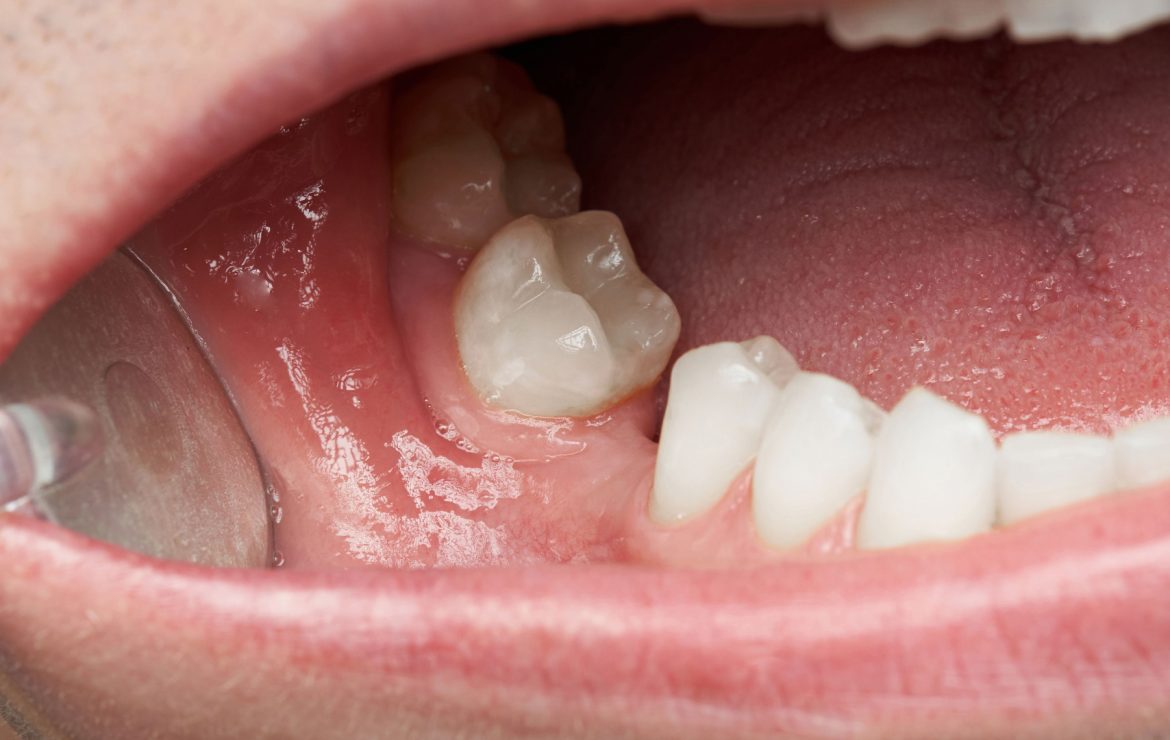
Many people view missing teeth primarily as a cosmetic concern. While gaps in your smile can affect appearance and confidence, the impact of tooth loss extends far beyond aesthetics. One of the most significant yet often overlooked consequences of missing teeth is jawbone loss.
At Ministry of Smile, we educate patients about the long-term effects of tooth loss and the importance of timely treatment to protect both oral health and facial structure.
What Happens When a Tooth Is Lost?
Natural teeth do more than help you chew and speak. Every tooth is connected to the jawbone through its root, which stimulates the surrounding bone whenever you bite or chew.
This regular stimulation signals the body to maintain healthy bone tissue. When a tooth is lost, that stimulation stops.
Without the pressure generated by chewing, the jawbone in that area begins to shrink and deteriorate over time, a process known as bone resorption.
What Is Jawbone Loss?
Jawbone loss, also known as bone resorption, occurs when the body gradually breaks down and absorbs bone tissue that is no longer being used.
After tooth loss, the bone supporting the missing tooth no longer receives the stimulation needed to maintain its density and volume.
As a result, the jawbone can become thinner, weaker, and less capable of supporting neighboring teeth and facial structures.
How Quickly Does Jawbone Loss Occur After Tooth Loss?
Bone loss can begin surprisingly soon after a tooth is lost.
Research has shown that significant bone changes may occur within the first year following tooth extraction or tooth loss.
The rate of bone loss varies depending on factors such as:
- Overall oral health
- Number of missing teeth
- Location of tooth loss
- Age
- Lifestyle habits
- Presence of gum disease
The longer a missing tooth remains untreated, the greater the risk of progressive bone deterioration.
Why Does the Jawbone Shrink?
The jawbone functions much like a muscle—it needs regular stimulation to remain strong and healthy.
When tooth roots are no longer present, the bone receives less stimulation during everyday activities such as chewing and biting.
The body interprets this lack of activity as a signal that the bone is no longer needed and begins to reabsorb it.
Signs of Jawbone Loss
Jawbone loss often occurs gradually, making it difficult to notice in its early stages.
Common signs may include:
- Changes in facial appearance
- Sunken cheeks
- Wrinkling around the mouth
- Shifting of neighboring teeth
- Difficulty chewing
- Changes in bite alignment
- Loose remaining teeth
Regular dental examinations can help identify bone changes before significant damage occurs.
How Does Jawbone Loss Affect Facial Appearance?
The jawbone plays a critical role in supporting facial muscles and maintaining facial structure.
As bone volume decreases, patients may experience:
- A prematurely aged appearance
- Collapsed facial features
- Reduced lip support
- Sunken cheeks
- Changes in jawline definition
These changes often become more noticeable as bone loss progresses over time.
Can Missing Teeth Affect Nearby Teeth?
Yes. Missing teeth can create a domino effect throughout the mouth.
When a gap remains untreated, neighboring teeth may gradually shift toward the empty space.
This movement can lead to:
- Crooked teeth
- Bite problems
- Difficulty cleaning between teeth
- Increased risk of cavities and gum disease
Jawbone loss may further compromise the stability of surrounding teeth.
Can Jawbone Loss Be Prevented?
In many cases, jawbone loss can be minimized or prevented by replacing missing teeth promptly.
Early treatment helps restore function and preserve bone health before significant deterioration occurs.
How Dental Implants Help Preserve Jawbone
Dental implants are unique among tooth replacement options because they replace both the visible tooth and its root.
The implant integrates with the jawbone and provides stimulation similar to a natural tooth root.
This stimulation helps:
- Maintain bone density
- Reduce bone resorption
- Support facial structure
- Improve chewing efficiency
- Promote long-term oral health
For many patients, dental implants are considered one of the most effective solutions for preventing bone loss after tooth loss.
Can Bone Loss Be Reversed?
Once bone loss occurs, the body does not naturally regenerate large amounts of lost jawbone on its own.
However, certain dental procedures may help rebuild bone volume in appropriate cases.
Treatment options depend on the extent of bone loss and the patient’s overall oral health.
When Should You Replace a Missing Tooth?
Ideally, a missing tooth should be evaluated and replaced as soon as possible.
Prompt treatment may:
- Preserve jawbone health
- Prevent shifting of adjacent teeth
- Maintain facial structure
- Improve chewing and speech
- Reduce the need for more complex treatment later
Early intervention often provides the best long-term outcomes.
Frequently Asked Questions
Can one missing tooth cause bone loss?
Yes. Even a single missing tooth can lead to bone loss in the area where the tooth root is no longer stimulating the jawbone.
How long does it take for jawbone loss to begin?
Bone resorption can begin within the first few months after tooth loss and may continue progressively over time.
Is jawbone loss painful?
Jawbone loss itself is usually painless, which is why many patients are unaware it is occurring until noticeable changes develop.
Do dental implants prevent jawbone loss?
Dental implants help stimulate the jawbone similarly to natural tooth roots, making them one of the most effective options for preserving bone health.
Can facial appearance change because of missing teeth?
Yes. Significant jawbone loss can contribute to sunken cheeks, reduced facial support, and a prematurely aged appearance.
Conclusion
Missing teeth affect far more than your smile. Without the stimulation provided by natural tooth roots, the jawbone can gradually shrink, leading to changes in facial appearance, bite function, and overall oral health.
Understanding the connection between tooth loss and jawbone deterioration highlights the importance of seeking timely treatment. Replacing missing teeth can help preserve bone health, maintain facial structure, and support a healthy, functional smile for years to come.
If you have one or more missing teeth, a professional dental evaluation can help determine the most suitable treatment options and protect your long-term oral health.
Related posts