
Dental Implants for Root Canal Treated Tooth in Gurgaon


At Ministry of Smile Dental Clinic, Gurgaon, we often help patients decide whether to keep a root-canal treated tooth or replace it with a dental implant. Both options can be excellent — the right choice depends on the tooth’s condition, your long-term oral health goals, and a careful clinical assessment. A dental implant is a durable, natural-feeling replacement when a root-canal treated tooth cannot be saved or repeatedly becomes symptomatic.
When should you consider an implant after a root canal?
Consider an implant if the root-canal treated tooth:
- Has repeated infections or persistent pain after re-treatment.
- Is structurally compromised (large fractures, little tooth left to restore).
- Has failed endodontic therapy and retreatment or apical surgery is unlikely to succeed.
- Leads to progressive bone loss around the root.
Benefits of choosing a dental implant
- Long-term durability: Implants can last many years (often decades) with proper care.
- Preserves jawbone: An implant stimulates the underlying bone and helps prevent bone loss.
- No reinfection risk: Since an implant is artificial, it cannot develop bacterial infections.
- Function & aesthetics: Restores chewing efficiency and looks like a natural tooth.
- Predictable outcomes: Modern implant techniques offer high success rates.
Typical implant procedure & timeline
Every case is unique, but a common treatment pathway includes:
- Assessment & planning: Clinical exam and X-rays/CBCT to evaluate bone volume and plan implant placement.
- Extraction (if the tooth is still present): The affected tooth is removed gently when needed.
- Healing / grafting (if needed): Bone grafting may be required if bone loss exists.
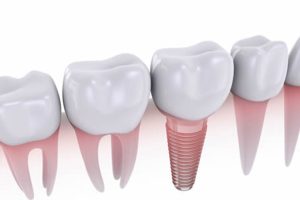
- Implant placement: A titanium implant is inserted into the jawbone under local anaesthesia.
- Osseointegration: The implant bonds with the bone over several months.
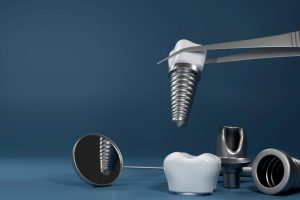
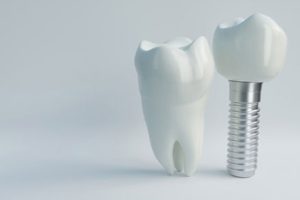
- Abutment and crown: After healing, the final crown is custom-made and attached.
Recovery & aftercare
- Initial healing usually takes a few days to a week.
- Follow-up visits ensure the implant is healing properly.
- Excellent oral hygiene is essential for long-term implant success.
- Smoking and uncontrolled medical conditions may affect healing.
How implants compare with retreating a root canal
Root canal retreatment can save a tooth and is often less complex than extraction with implant placement. However, when a tooth is structurally compromised, repeatedly infected, or has a poor prognosis, extraction and implant placement may offer a more reliable, long-term solution.
Frequently asked questions (FAQs)
- Can I get an implant immediately after extraction? In selected cases, yes — but if infection or bone loss is present, delayed placement is recommended.
- How long until I can chew on the new tooth? Full loading typically begins once the implant has fully integrated, usually within 3–6 months.
- Are implants painful? Implant surgery is generally comfortable and performed under local anaesthesia, with mild postoperative discomfort.
- What is the success rate? Success rates are high when implants are placed carefully and maintained with good oral hygiene.
Make an informed decision with Ministry of Smile, Gurgaon
If you have a troublesome root-canal treated tooth or are exploring long-term replacement options, schedule a consultation at Ministry of Smile Dental Clinic, Gurgaon. We will evaluate your condition, discuss possible treatment paths, and recommend the most suitable option — whether retreatment or replacement with a dental implant.
Contact us: Call or visit the clinic to book your appointment.
Related posts
Popular Posts

Ceramic Braces vs Invisible Aligners

Best Questions to Ask a Dental Implantologist Before Implant Treatment