Why do some dentists prefer dental implants over bridges, even though bridges are more cheap?

Losing a tooth can affect more than just your smile. It may influence your ability to chew comfortably, speak clearly, and maintain confidence in your appearance. Fortunately, modern dentistry offers several ways to replace missing teeth, with dental implants and dental bridges being two of the most common options.
However, patients often have one important question: If dental bridges are cheaper than dental implants, why do some dentists recommend implants instead?
The answer lies in more than the initial cost. Dental implants can offer important advantages in preserving the jawbone, protecting neighbouring teeth, and providing a long-term tooth replacement option. Nevertheless, bridges remain an effective and practical solution for many patients.
Understanding the differences between these treatments can help you make an informed decision with your dentist. If you are looking for the best dental clinic in Gurgaon for personalised tooth replacement treatment, Ministry of Smile Dental Clinic offers patients the opportunity to discuss their options with experienced dental professionals, including Dr. Prateek and Dr. Manoti.
What Is the Difference Between Dental Implants and Dental Bridges?
Before comparing their advantages, it is important to understand how these two treatments work.
What Are Dental Implants?
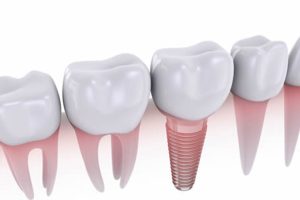
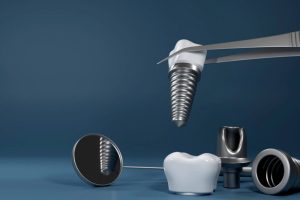
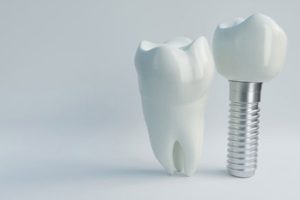
A dental implant is a small, usually titanium-based fixture placed into the jawbone to replace the root of a missing tooth. After healing and integration with the bone, it can support a dental crown, bridge, or other suitable restoration.
Because an implant replaces the tooth root, it can provide a stable foundation for the replacement tooth without requiring neighbouring healthy teeth to support it.
What Is a Dental Bridge?
A dental bridge replaces one or more missing teeth by attaching an artificial tooth to supporting teeth on either side of the gap, in a conventional bridge design. These supporting teeth generally need to be reshaped to accommodate crowns.
A bridge does not usually require surgery and can often be completed more quickly than an implant treatment. However, conventional bridges depend on the condition and suitability of the supporting teeth.
1. Dental Implants Can Help Preserve the Jawbone
One of the major reasons dentists may recommend dental implants is their ability to help maintain the jawbone around the missing tooth site.
The natural tooth root stimulates the surrounding bone during chewing. Following tooth loss, the bone in that area may gradually shrink because it no longer receives the same stimulation.
A dental implant transfers functional forces to the surrounding bone and can help maintain bone in the implant area. A conventional dental bridge replaces the visible tooth but does not replace the missing root, so it does not provide the same direct stimulation to the underlying bone.
Why this matters: Preserving bone may contribute to long-term oral health and help maintain the shape of the jaw in the area of the missing tooth. However, implants cannot prevent every type of bone loss, and their success depends on factors such as bone quality, oral hygiene, and general health.
2. Implants Usually Do Not Require Grinding Down Healthy Neighbouring Teeth
Another important advantage of dental implants is that an individual implant can replace a missing tooth without using adjacent teeth as supports.
With a conventional dental bridge, the supporting teeth often need to be reshaped to accommodate crowns. This is an irreversible procedure because some natural tooth structure must be removed.
When the neighbouring teeth are healthy and intact, a dentist may consider an implant to avoid preparing those teeth.
However, the decision is different when the adjacent teeth already have large fillings, significant damage, or a need for crowns. In such cases, a bridge may be a sensible treatment option.
3. Dental Implants Can Offer Long-Term Value
Dental bridges are generally less expensive initially, which makes them attractive to patients who want an affordable tooth replacement option.
Dental implants usually involve higher upfront costs because the treatment may include implant placement, surgical procedures, abutments, crowns, diagnostic imaging, and follow-up appointments.
Nevertheless, an implant may provide good long-term value when it is properly planned, maintained, and suitable for the patient.
A conventional bridge may need repair or replacement over time, and complications involving the supporting teeth can affect the restoration. Implants also require maintenance and may develop complications, including inflammation around the implant, loosening, or restoration damage.
Therefore, the best financial comparison should consider the initial price, expected maintenance, potential future treatment, and the patient’s individual circumstances rather than the initial cost alone.
4. Dental Implants Function More Like Independent Teeth
A properly restored dental implant can provide stable chewing function and a natural-looking appearance. Because it is anchored in the jawbone, it functions independently of neighbouring teeth.
A well-designed dental bridge can also look natural and restore comfortable chewing. Both options can be successful when selected for the right patient and maintained properly.
The outcome depends on several factors, including the location of the missing tooth, the quality of the restoration, bite forces, gum health, and the dentist’s treatment planning.
5. Implants May Simplify the Replacement of a Single Missing Tooth
When only one tooth is missing, an implant-supported crown may be an appealing option because it does not ordinarily require the neighbouring teeth to be crowned.
For patients with healthy teeth on either side of the gap, this can be an important consideration. In contrast, a bridge may be more appropriate when the neighbouring teeth already need crowns or when implant placement is unsuitable.
For several missing teeth, dentists may also consider implant-supported bridges or other treatment designs. The number of missing teeth, bone availability, and the patient’s budget all influence the final recommendation.
6. When Is a Dental Bridge Better Than an Implant?
Although implants have several advantages, they are not automatically the best option for every patient. Dental bridges can be particularly useful in the following situations:
- Lower initial cost: A bridge may be more affordable when upfront expenses are a major concern.
- Faster treatment: A bridge can often be completed sooner because implant treatment may require healing time.
- Medical or surgical considerations: Certain health conditions, medications, or individual circumstances may make implant surgery less suitable or require additional assessment.
- Insufficient bone: If there is not enough bone to support an implant, additional procedures may be needed, or a non-implant option may be preferable.
- Damaged neighbouring teeth: If the teeth beside the gap already require crowns, a bridge may make practical use of those teeth.
- Patient preference: Some patients prefer to avoid surgery and choose a bridge after discussing the benefits and limitations.
The goal is not to choose the most expensive treatment. It is to choose a treatment that restores function, protects oral health, and suits the patient’s needs and circumstances.
Dental Implants vs Dental Bridges: A Quick Comparison
| Feature | Dental Implants | Dental Bridges |
|---|---|---|
| Initial cost | Generally higher | Generally lower |
| Treatment time | May take several months, depending on healing and complexity | Often completed in a shorter period |
| Surgery | Usually requires a surgical procedure | Conventional bridges generally do not require surgery |
| Adjacent teeth | Usually do not need to be reshaped for a single implant | Supporting teeth usually need preparation |
| Jawbone support | Can help maintain bone around the implant | Does not replace the missing root or provide equivalent stimulation |
| Maintenance | Requires careful cleaning and regular dental reviews | Requires careful cleaning around and beneath the bridge |
| Suitability | Depends on bone, gum health, medical history, and other factors | Depends on the condition of the supporting teeth and surrounding tissues |
Why Choose Ministry of Smile Dental Clinic in Gurgaon?
If you are searching for the best dental clinic in Gurgaon for dental implants or dental bridges, choosing a clinic that provides a thorough assessment and explains the available options is essential.
Ministry of Smile Dental Clinic, Gurgaon, is an option for patients seeking guidance on missing-tooth replacement. The clinic’s dental professionals, including Dr. Prateek and Dr. Manoti, can be highlighted as part of your clinic’s patient-focused approach to discussing restorative dental care.
Before recommending a treatment, a dentist should assess the missing tooth, neighbouring teeth, gums, bite, available bone, medical history, and the patient’s expectations. This evaluation helps determine whether an implant, a conventional bridge, or another treatment is appropriate.
Patients should also discuss the expected treatment duration, the complete cost, possible complications, maintenance requirements, and the likely need for future repairs or replacement.
The right treatment plan should be based on clinical findings and informed patient choice, rather than cost or a one-size-fits-all recommendation.
Frequently Asked Questions
Are dental implants better than bridges?
Dental implants may be preferable when preserving neighbouring healthy teeth and replacing the missing tooth root are important priorities. Bridges can be better for some patients because they generally cost less initially and may be completed more quickly.
Why are dental implants more expensive than bridges?
Implant treatment may involve surgical placement, specialised components, diagnostic imaging, healing visits, and a custom-made crown. The overall cost varies according to the number of teeth being replaced, the materials used, and whether additional procedures are necessary.
How long do dental implants and bridges last?
Both can last for many years, but neither is guaranteed to last a lifetime. Longevity depends on oral hygiene, regular dental care, bite forces, general health, and the condition of the supporting structures. Implant fixtures and the crowns or bridges attached to them may also have different lifespans.
Can I get a dental implant if I have bone loss?
Possibly. A dentist may assess the available bone using clinical examination and appropriate imaging. Some patients may need bone grafting or other procedures, while others may be better suited to an alternative restoration.
Is a dental bridge a bad choice because it is cheaper?
No. A dental bridge is an established tooth replacement treatment and may be the most appropriate choice in certain circumstances. The decision should consider the condition of neighbouring teeth, treatment time, costs, oral health, and the patient’s preferences.
Where can I consult a dentist about implants and bridges in Gurgaon?
You can consider consulting Ministry of Smile Dental Clinic in Gurgaon to discuss your tooth replacement options with Dr. Prateek and Dr. Manoti. Request an individual assessment to understand which treatment may be suitable for your dental condition.
Conclusion: Choose the Right Treatment, Not Just the Cheapest One
Dental implants can offer important advantages, including support for the jawbone around the implant and the ability to replace a missing tooth without preparing adjacent healthy teeth. These benefits explain why some dentists recommend implants even when their initial cost is higher than that of bridges.
However, dental bridges remain a reliable and valuable option for many patients. The best choice depends on your oral health, the condition of neighbouring teeth, bone availability, budget, and treatment goals.
If you are considering dental implants or bridges, consult the team at Ministry of Smile Dental Clinic, Gurgaon, and discuss your options with Dr. Prateek and Dr. Manoti. A personalised treatment plan can help you make an informed decision about restoring your smile and chewing function.
Related posts